
.png)
Looking back, the world of men’s jewelry was once largely confined to luxury watches, wedding bands, and cufflinks. Today, however, leading global business and fashion media such as Vogue Business, GQ, Highsnobiety, and industry platforms like JCK Online are all reporting on a phenomenon known as “The Men’s Jewelry Renaissance”—a remarkable resurgence of men’s jewelry that has become one of the most profitable and fastest-growing categories in the luxury sector.
This shift is far more than a passing fashion trend. It reflects a deeper transformation in global culture and values. Here are four key trends reshaping the men’s jewelry market today:
International media have highlighted that modern men are no longer confined by traditional definitions of masculinity. Wearing jewelry is no longer seen as diminishing manhood—it is increasingly viewed as a symbol of confidence, individuality, and freedom of expression.
This is why we now see global trends such as men wearing pearls and diamond brooches styled on red carpet suits by Hollywood artists and actors. These fashion choices are breaking long-standing gender norms within the jewelry world.
Consumer trend analysts note that global maisons such as Tiffany & Co., Cartier, and Boucheron are adapting through genderless collections designed for everyone.
The distinction between men’s and women’s jewelry is becoming increasingly fluid. Today’s male consumers are more confident entering fine jewelry boutiques to purchase diamond rings, gold necklaces, or sophisticated bracelets for themselves—without hesitation.
One of the strongest catalysts behind this movement is the influence of musicians, athletes, and global tastemakers.
International media frequently spotlight NBA stars and elite footballers wearing iced-out diamond chains, gemstone earrings, and statement jewelry both on and off the field. These images strongly resonate with Gen Y and Gen Z male consumers, who increasingly associate fine jewelry with style, athletic confidence, and visible success.
Much like luxury watches, men are beginning to recognize fine jewelry as an alternative investment asset.
According to business media such as Forbes, modern male collectors are becoming more educated about carat weight, gemstone quality, rarity, and provenance. Purchasing jewelry today is no longer solely about aesthetics—it is often a blend of personal style and long-term value preservation.
The men’s jewelry market represents a true Blue Ocean—an underdeveloped segment with significant room for growth.
Thai entrepreneurs and jewelry brands must move beyond outdated assumptions that men’s jewelry should only be bold, heavy, and minimalistic. Understanding contemporary aesthetics and creating refined, stylish, and gender-fluid designs will be key to unlocking the immense purchasing power of male consumers around the world.
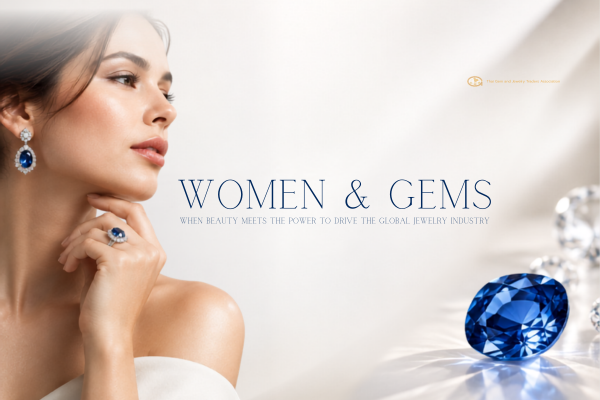
Looking back through history, gemstones and jewelry have often been portrayed as symbols of love, traditionally given by men to women. Over the past decade, however, leading global jewelry publications and industry media have highlighted a significant par
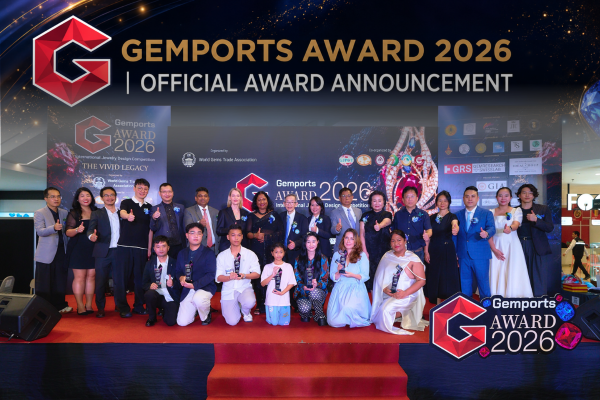
Today, we proudly announce the outstanding designers whose works were selected by the international jury to receive the Gemports Award 2026.
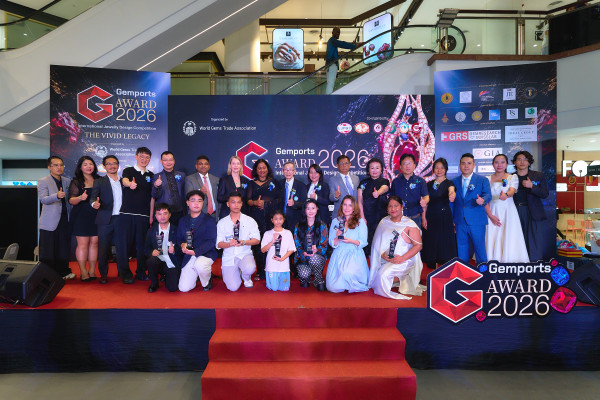
Gemports Award 2026 – The Vivid Legacy brings together creative talents from around the world and marks the official launch of the World Gems Trade Association (WGT), highlighting Thailand’s role in fostering global collaboration across the gem and jewelr