
.png)
From “Belief” to “Luxury”: Exploring the Rise of Spiritual Jewelry as Mysticism Drives the Global Market
(The Rise of Spiritual and Talismanic Jewelry: Decoding the Global Mystical Trend)
In Thailand, the term “Mutelu” is widely recognized. However, from the perspective of the global gems and jewelry market, this is no longer a niche belief-driven trend. Leading international business and fashion media—such as Vogue, Forbes, The New York Times, as well as industry platforms like JCK Online—consistently report that “Spiritual Jewelry”, or jewelry infused with symbolic and spiritual meaning, is experiencing exponential growth and has become one of the most influential segments in today’s market.
What is driving consumers around the world to wear their “beliefs” on their bodies? Here are four key trends shaping the global landscape:
1. The Renaissance of Talismans & Amulets
According to JCK Online, since the COVID-19 pandemic, global consumers have faced heightened stress and uncertainty. Jewelry has evolved from mere adornment into a form of “emotional armor.” Universal symbols such as the Evil Eye (believed to ward off negativity), the Hamsa (a symbol of protection and good fortune), and various sacred charms have seen a surge in demand. Consumers are seeking tangible objects that provide comfort, grounding, and a sense of security.
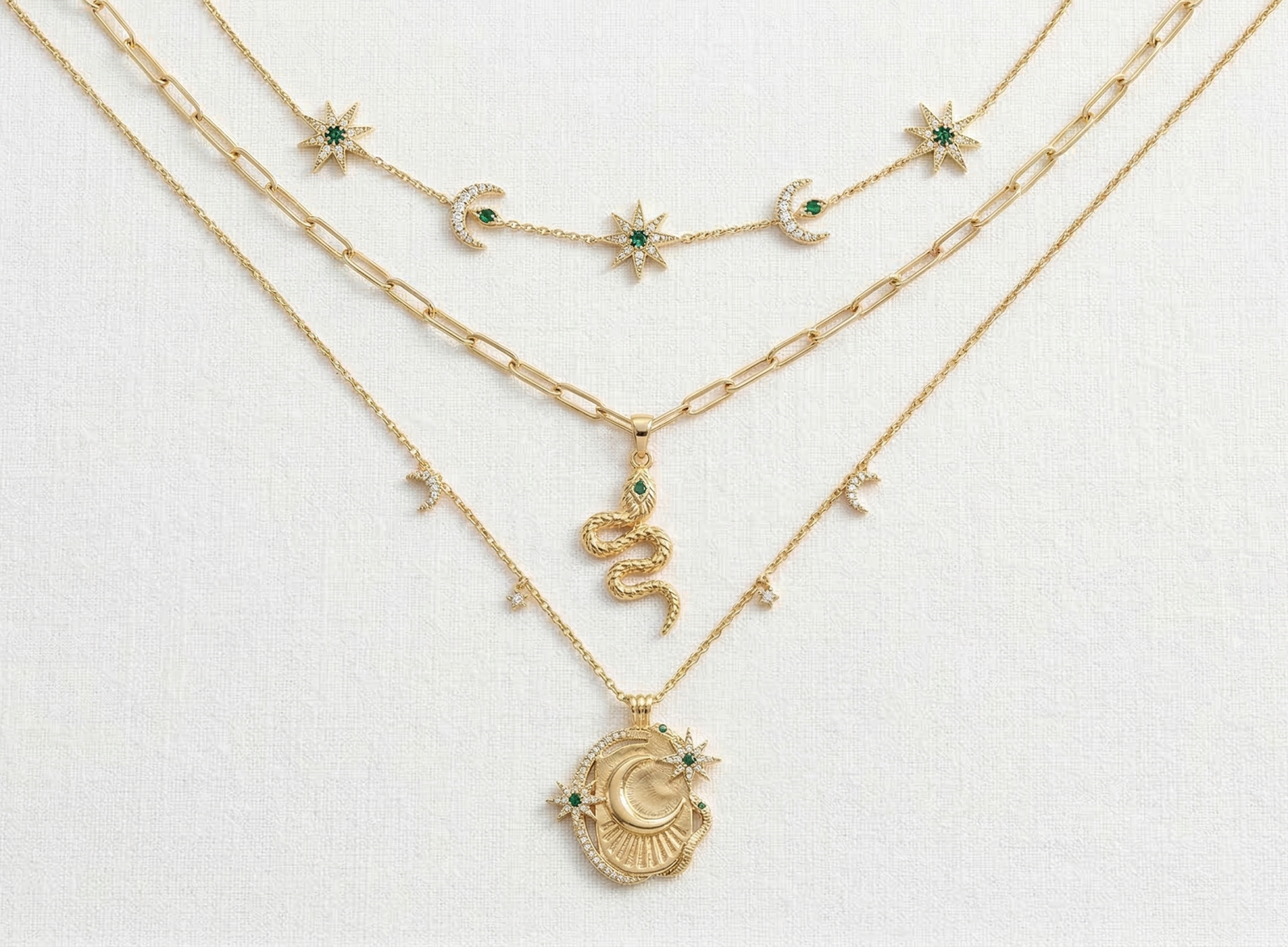
2. Astrology and Zodiac Personalization
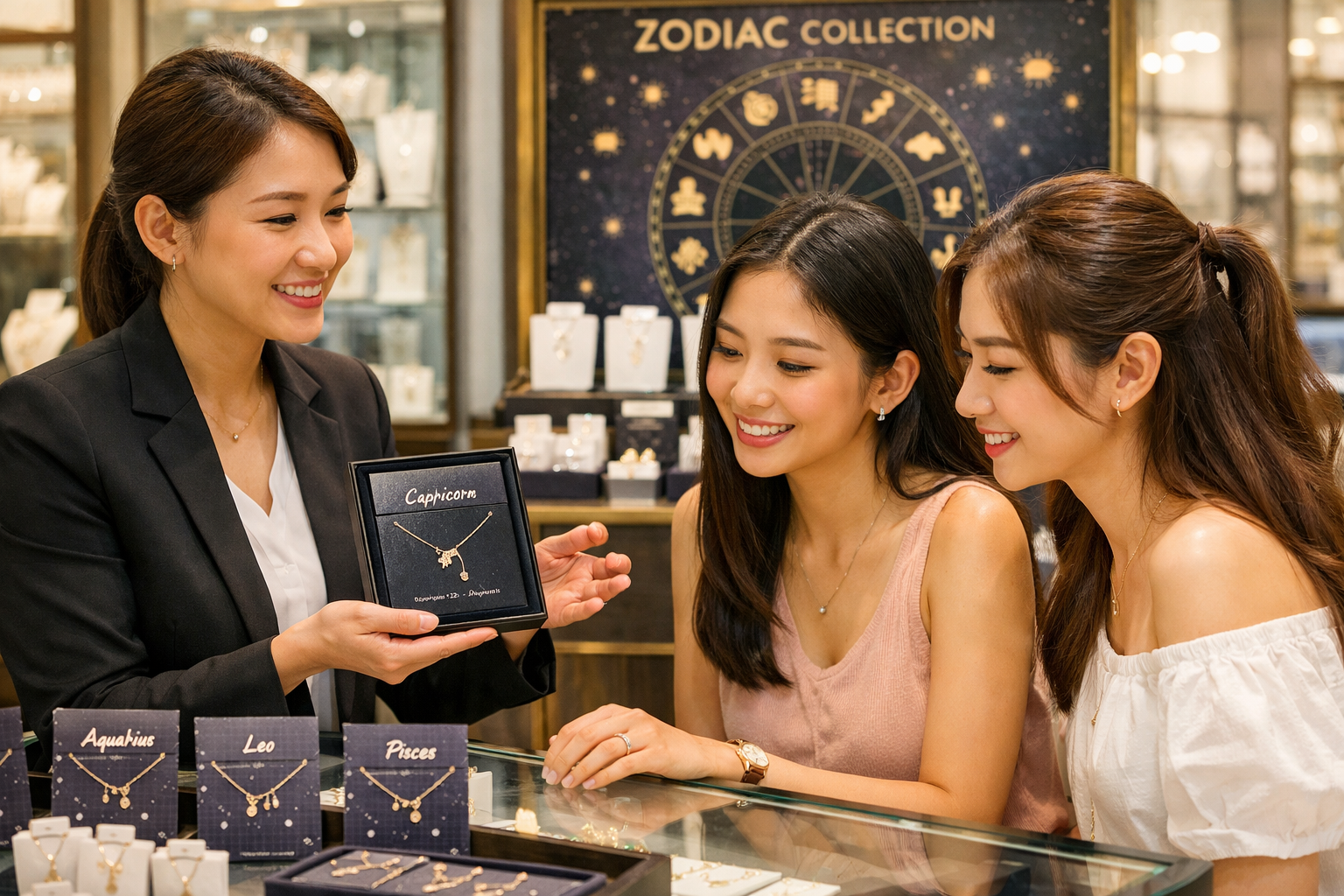
The New York Times and Harper’s Bazaar highlight the growing popularity of zodiac and celestial-themed jewelry. Modern consumers no longer view astrology as superstition, but rather as a tool for self-discovery. Wearing zodiac constellations or birthstones represents a fusion of personal belief and individual expression (hyper-personalization)—values that resonate strongly with Gen Z and Millennials.
3. Crystal Healing Meets Fine Jewelry
The global wellness industry has seamlessly merged with the jewelry sector. As noted by Forbes, consumers are increasingly selecting gemstones based on their vibrational energy rather than aesthetics alone. For example, Rose Quartz is associated with love and compassion, while Amethyst is believed to promote calmness and reduce anxiety. Many high-end fine jewelry brands are now launching collections centered on crystal healing, catering to a growing emphasis on mental well-being.
4. The Mainstreaming of Mysticism in High Fashion
Spiritual jewelry is no longer confined to traditional designs. Global luxury brands are embracing mystical symbolism and reinterpreting it through contemporary, refined, and wearable designs. This shift toward “minimalist mysticism” allows spiritual jewelry to successfully penetrate the luxury segment, making it suitable for everyday wear while maintaining its deeper meaning.
Opportunity for Thai Entrepreneurs
Thailand possesses a rich cultural foundation rooted in belief and spirituality. By elevating Thai Mutelu concepts through modern design, combining them with compelling global storytelling, and ensuring high-quality materials and craftsmanship, Thai spiritual jewelry holds strong potential to enter—and thrive in—the global “Spiritual Luxury” market seamlessly.
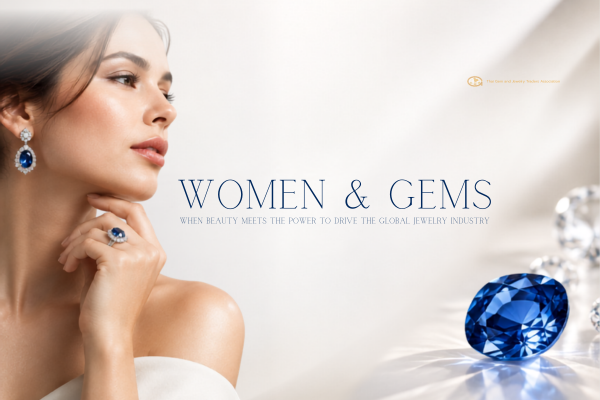
Looking back through history, gemstones and jewelry have often been portrayed as symbols of love, traditionally given by men to women. Over the past decade, however, leading global jewelry publications and industry media have highlighted a significant par
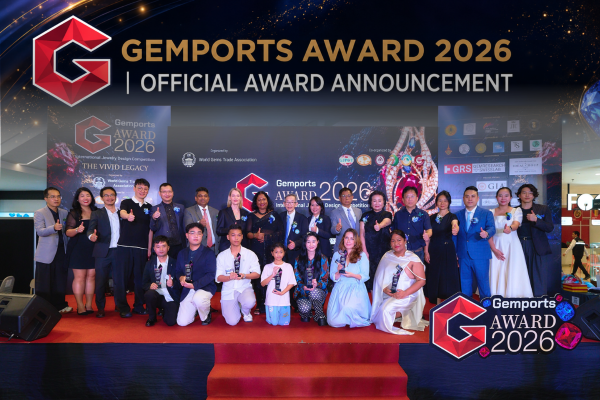
Today, we proudly announce the outstanding designers whose works were selected by the international jury to receive the Gemports Award 2026.
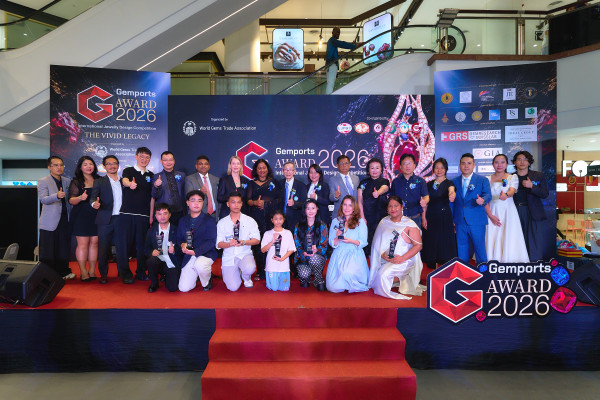
Gemports Award 2026 – The Vivid Legacy brings together creative talents from around the world and marks the official launch of the World Gems Trade Association (WGT), highlighting Thailand’s role in fostering global collaboration across the gem and jewelr