
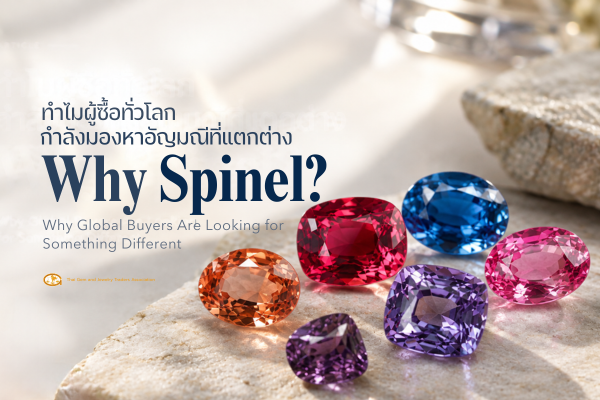
Spinel is attracting growing attention in the coloured gemstone market, particularly among collectors, gemmologists and buyers looking for gemstones with distinctive colour, rarity and an individual story.
Once historically mistaken for ruby, spinel is now recognised as a gemstone in its own right, valued for its own mineralogical characteristics, colour range and unique identity.
Spinel is an oxide mineral with the principal chemical composition MgAl₂O₄. It has a hardness of 8 on the Mohs scale and good toughness, making it a durable gemstone for a wide range of jewellery, including pieces intended for everyday wear.
Spinel is singly refractive and crystallises in the cubic crystal system. Natural crystals commonly occur in an octahedral form, a characteristic that can contribute to gemmological identification.
Spinel occurs in a broad range of colours, including red, pink, orange, purple, blue and black. Red and pink are commercially important colours, while vivid, saturated blue spinel—particularly cobalt-coloured material—is considered especially notable in the market. GIA notes that rich, saturated blue colour is rare and desirable regardless of whether cobalt is responsible for the colour.
One of spinel’s defining characteristics is its remarkable colour range, from vivid red and pink to orange, purple and blue.
High-quality red spinel can display colour reminiscent of ruby, yet the two are fundamentally different gemstones with different mineral compositions and gemmological properties. This distinction has helped position spinel as an independent choice for buyers seeking a distinctive red gemstone.
Rather than being viewed simply as an alternative to ruby, spinel increasingly stands on its own as a gemstone with a distinct identity.
Not all spinel is equal in quality. Important factors include colour, clarity, cut and carat weight, together with the overall appearance of the gemstone.
Certain colours are particularly sought after, including vivid red, saturated blue and attractive pink and orange. Fine-quality spinel in larger sizes can be difficult to find, contributing to its appeal among collectors and buyers seeking rarity.
For blue spinel, GIA notes that rich, saturated blue colour is rare and valuable, while the presence of cobalt itself should not be treated as the sole determinant of value.
The combination of colour quality, size and availability can therefore play an important role in the desirability of individual spinels.
Spinel’s appeal extends beyond its physical properties. It also has a fascinating place in gemmological and cultural history.
Historically, some red spinels were mistaken for rubies because of their similar appearance. One of the most famous examples is the Black Prince’s Ruby, set in the Imperial State Crown of the United Kingdom and now recognised as a red spinel.
This history gives spinel a distinctive place in the story of gemmology, illustrating how advances in scientific identification have changed our understanding of historically important gemstones.
Today’s coloured gemstone market is not defined solely by the question of which gemstone is the most expensive.
For some buyers and collectors, other characteristics can be equally important—including rarity, colour, individuality, provenance and history.
Spinel can therefore appeal to those who want to move beyond conventional gemstone choices and explore a stone with its own visual character and story.
GIA describes spinel as a magnificent but rare gemstone and notes its appeal to collectors and gem connoisseurs.
Spinel occurs in a wide variety of colours, with several colour groups standing out in the market:
Colour alone, however, does not determine the value of a spinel. Clarity, cut, size, overall appearance and any detectable treatments also need to be considered when assessing an individual gemstone.
Spinel is commonly fashioned in shapes such as oval and cushion, although many other cutting styles are possible.
A well-executed cut can enhance a stone’s brightness, colour presentation and visual appeal. In fine gemstones, the relationship between proportions, colour and weight retention can be particularly important.
Rather than evaluating spinel solely by carat weight or dimensions, buyers should consider the balance between colour, clarity, cut and overall beauty.
Spinel is generally less frequently treated than some other coloured gemstones, but treatments do occur and should be disclosed appropriately.
Heat treatment has been reported in spinel, and fracture filling is possible, although GIA notes that fracture filling is rare.
More recently, GIA researchers identified nickel diffusion treatment in spinel. The treatment can produce blue to bluish-green colours, and the researchers found elevated concentrations of nickel near the surface of treated stones. The treatment was identified in material that had entered the gem trade.
GIA had previously documented cobalt diffusion treatment in natural spinel, which can produce vivid blue colour.
These findings highlight the importance of proper identification and disclosure when buying or trading fine spinel.
For higher-value stones, buyers may wish to obtain an identification report from a reputable gemmological laboratory. A laboratory report can help establish whether the stone is natural or laboratory-grown and identify detectable treatments. GIA, for example, provides identification reports for spinel.
Spinel may appeal to buyers looking for:
The appeal of spinel does not come from being a “substitute for ruby”. Its appeal comes from being spinel.
Its diverse colour range, the rarity of fine-quality material, durability, historical significance and growing interest among collectors and gem enthusiasts make spinel an important gemstone to understand when exploring the coloured gemstone market beyond traditional choices.
For today’s buyers, “something different” does not necessarily mean choosing the rarest gemstone available. It can mean choosing a gemstone whose colour, character, history and gemmological properties align with their individual preferences.
Spinel offers precisely that opportunity: a gemstone with a story of its own.
Spinel is an oxide mineral with the principal chemical composition MgAl₂O₄. It has a hardness of 8 on the Mohs scale and good toughness, making it suitable for many types of jewellery.
Spinel and ruby are different mineral species. Spinel has the chemical composition MgAl₂O₄, while ruby is the red variety of corundum, with the principal composition Al₂O₃.
Some red spinels were historically mistaken for rubies because of their similar appearance. The Black Prince’s Ruby is a well-known historical example that is now identified as red spinel.
There is no single colour that determines the value of every spinel. Vivid red and saturated blue are among the colours that can command strong interest, while attractive pink and orange stones can also be highly desirable.
For blue spinel, GIA notes that rich, saturated blue colour is rare and valuable regardless of whether cobalt is present.
Spinel has a hardness of 8 on the Mohs scale and good toughness, making it a durable gemstone for jewellery and suitable for many pieces intended for daily wear.
Yes. Although spinel is generally less frequently treated than some other coloured gemstones, treatments including heat treatment, fracture filling and diffusion treatments have been documented.
GIA has reported both cobalt diffusion and nickel diffusion treatments in spinel.
Buyers should consider colour, clarity, cut, carat weight, overall appearance and treatment status. For valuable stones, an independent laboratory report can provide additional information about whether the gemstone is natural or laboratory-grown and whether detectable treatments are present.
Spinel can be of particular interest to collectors because of its broad colour range, the rarity of fine-quality material, historical significance and the distinctive characteristics of individual stones. As with any collectible gemstone, value depends on the specific qualities and documented characteristics of each specimen.
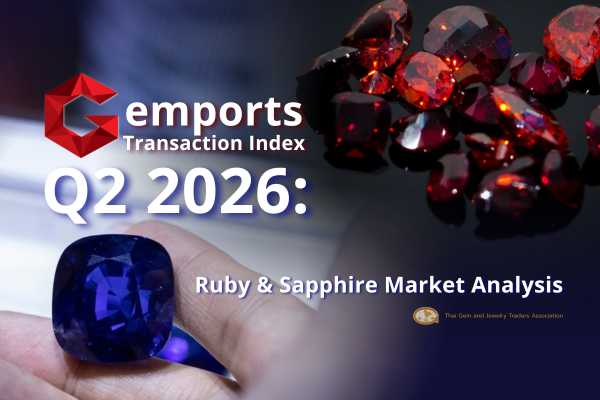
Explore the Gemports GTI Q2 2026 analysis of ruby and sapphire markets, including large-carat price trends, transaction volumes, capital rotation and Q3 outlook.
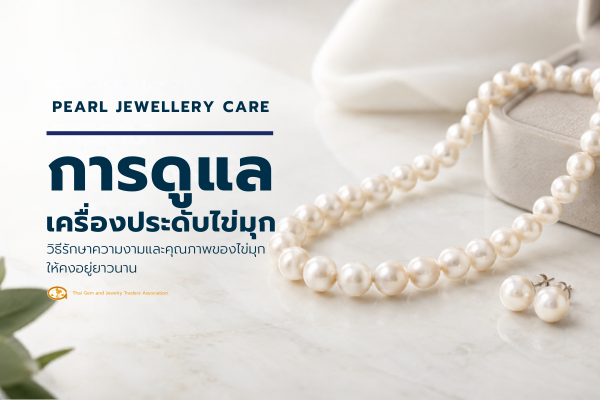
Pearls are organic gemstones with unique structures and properties, which means they require different care from many other gemstones and precious metals.

Looking back through history, gemstones and jewelry have often been portrayed as symbols of love, traditionally given by men to women. Over the past decade, however, leading global jewelry publications and industry media have highlighted a significant par