
.png)
We often admire gemstones for their beauty and luxury. Yet behind their brilliance lies a complex and fascinating world of valuation—driven by factors most people have never even heard of.
In the gemstone market, heat treatment is a widely accepted practice used to enhance color and clarity. However, for collectors, natural, untreated beauty represents the pinnacle of value.
That’s nearly a 4x price difference for stones that may look almost identical—because rarity ultimately defines true value.
In the gemstone world, origin is more than just geography—it’s a gateway to dramatically different price levels. Burmese rubies, in particular, have long dominated the high-end market.
Comparison of natural vivid red rubies (10+ carats):
Why the 3x difference? Beyond historical prestige, Burmese rubies possess unique physical properties—especially fluorescence, which gives them an inner glowing effect that sets them apart.
Many assume a 2-carat gemstone is simply twice the price of a 1-carat stone. In reality, price per carat increases exponentially with size due to rarity.
Price per carat of Vivid Blue Ceylon Sapphire:
As size increases, rarity skyrockets—and so does value.
Terms like “Pigeon Blood” (for rubies) and “Royal Blue” (for sapphires) represent the highest level of color intensity—known as vivid saturation. Even subtle differences in hue can dramatically impact price.
Example: Natural Burmese ruby (3–4.99 carats):
A slight drop in color intensity can reduce value by over one-third instantly.
Cut, Color, Clarity, and Carat are no longer enough in today’s gemstone market. True value is deeply tied to origin and treatment history.
The next time you hold a gemstone, look beyond its surface. Hidden within it is a story—one that determines whether it is merely a beautiful accessory or a truly priceless asset.
Consumers, traders, and gemstone enthusiasts can explore ruby and sapphire pricing reports at: www.gemports.com
.png)
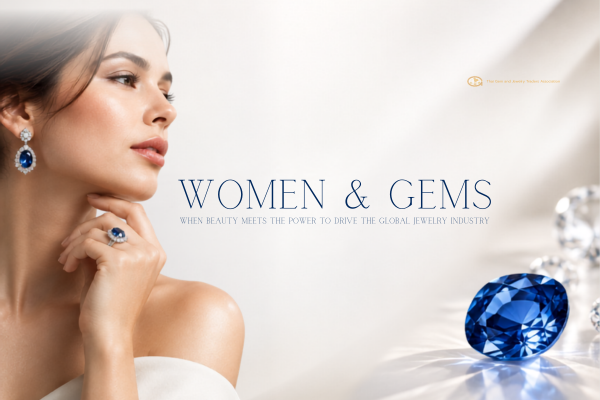
Looking back through history, gemstones and jewelry have often been portrayed as symbols of love, traditionally given by men to women. Over the past decade, however, leading global jewelry publications and industry media have highlighted a significant par
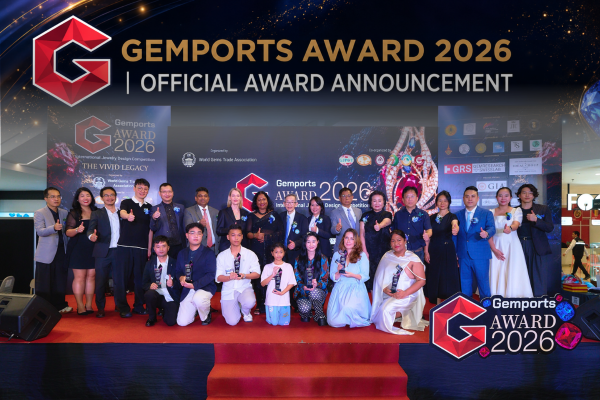
Today, we proudly announce the outstanding designers whose works were selected by the international jury to receive the Gemports Award 2026.
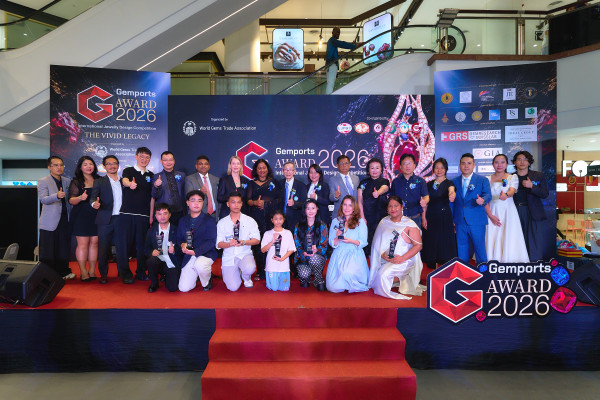
Gemports Award 2026 – The Vivid Legacy brings together creative talents from around the world and marks the official launch of the World Gems Trade Association (WGT), highlighting Thailand’s role in fostering global collaboration across the gem and jewelr