
In the world of precious gemstones, there lies a hidden treasure that originates not from beneath the earth, but from the depths of the sea within a conch shell. At the Thai Gem and Jewelry Traders Association (TGJTA), we are committed to providing accurate knowledge to our members and consumers. One gemstone that is currently capturing global attention and steadily increasing in value is the Conch Pearl.
This article explores what Conch pearls are, why they are so special, the factors for evaluation, and their growing popularity in the Thai market.
A Conch pearl is a 100% natural pearl produced by the Queen Conch (Strombus gigas), a large sea snail found primarily in the Caribbean Sea.
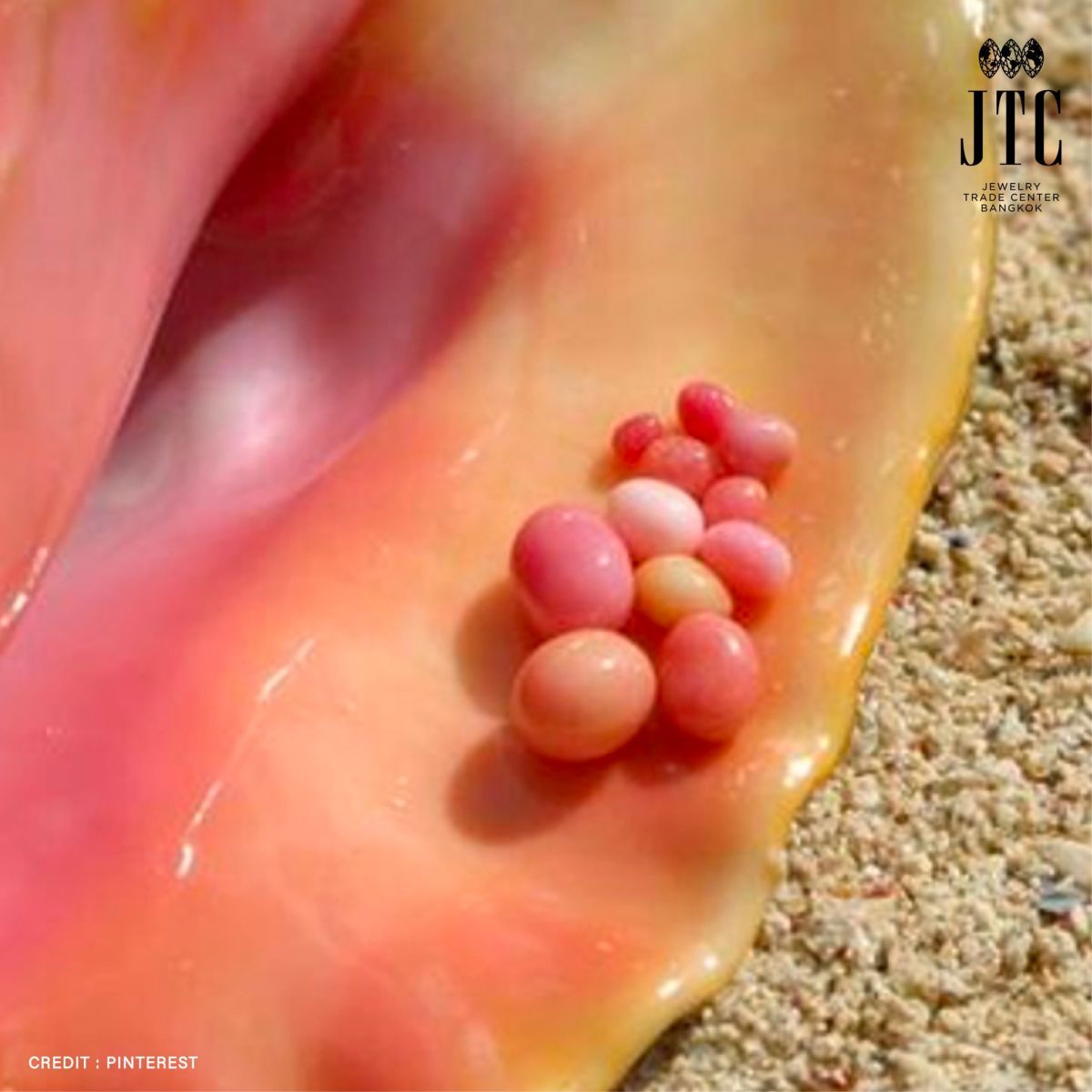
What sets the Conch pearl apart from traditional pearls (such as Akoya or South Sea) is that it is non-nacreous. While traditional pearls are composed of nacre, a Conch pearl is a "Calcareous Concretion" (an accumulation of calcium carbonate).
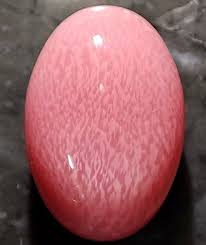
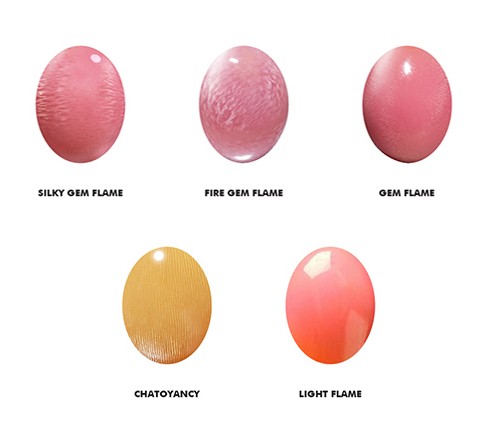
The most distinctive feature of a Conch pearl is its "Flame Structure." This refers to a unique, shimmering pattern on the surface that resembles flickering flames, visible as the pearl is rotated under light. This structure is what makes the Conch pearl so enchanting and highly sought after by collectors.
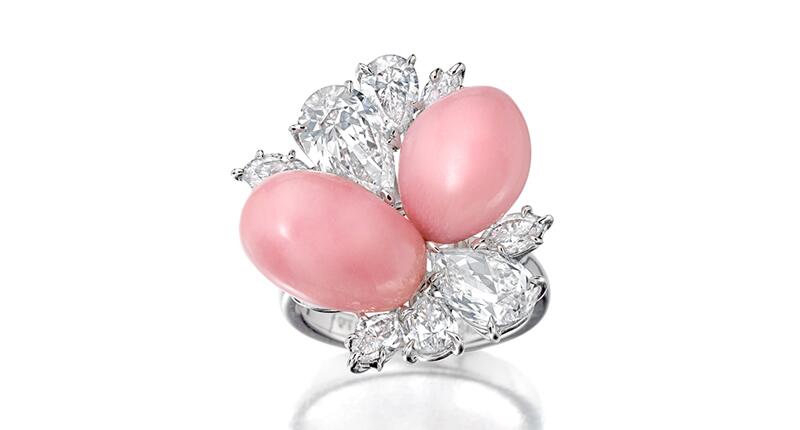
Colors: The most common color is pink, ranging from pale blush to the rare and expensive "Flamingo Pink." Other shades include salmon-orange, yellow, brown, and white.
This is a crucial point for traders and consumers alike: Conch pearls available on the market today are 100% natural.
Because the Queen Conch is a highly complex and fragile organism, commercial cultivation (culturing) has not been successful. Attempting to insert a nucleus to stimulate pearl production (as is done with oysters) typically results in the death of the conch or the failure to produce a quality pearl.
Consequently, every Conch pearl you see is a "chance find," discovered by accident during conch fishing for meat. The find rate is approximately 1 in every 10,000 to 15,000 shells, and of those, only about 10% are gem-quality. This extreme rarity is the primary driver of their high price.
Assessing the value of a Conch pearl is complex and requires expertise. The primary factors include:
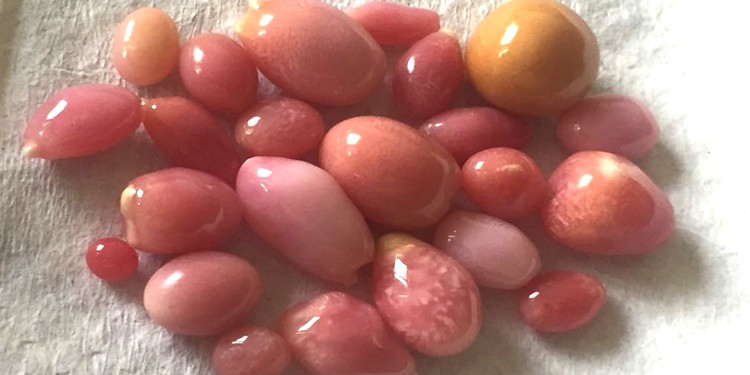
Precaution: Conch pearls can fade if exposed to intense sunlight for prolonged periods. Customers should be advised to store them carefully away from direct UV light.
Pricing for Conch pearls is not fixed like diamonds; it depends on rarity and the beauty factors mentioned above. International market trends suggest the following:
Medium Quality: (Pale pink, moderate flame, baroque shape) – $2,000 to $5,000 per carat.
High Quality: (Vivid pink, clear flame, symmetrical shape) – $5,000 to $15,000 per carat.
Exceptional Quality: ("Flamingo Pink," sharp flame, over 3 carats) – $20,000+ per carat.
Market Supply: Because they cannot be cultured, the annual supply is extremely limited. It is estimated that fewer than 1,000 gem-quality Conch pearls enter the global market each year.
In Thailand, the Conch pearl is a specialty gem with a distinct target audience:
Niche Market: It is not yet a household name compared to South Sea or Tahitian pearls.
Target Groups:
Collectors & HNWIs: Demand comes from collectors of rare gems and High-Net-Worth Individuals who seek uniqueness and value 100% natural origins.
B2B Industry: As Thailand is a global Gem Hub, traders (such as those in the Jewelry Trade Center - JTC) and gemological institutes (like GIT) are well-aware of their value. Data shows that Asia is currently the largest market for Conch pearls, and Thailand plays a vital role in that supply chain.
High-End Designers: Renowned Thai designers often feature Conch pearls in Bespoke jewelry or high-end collections for export or for domestic clients with high purchasing power.
Conclusion: While not a mass-market product, the Conch pearl is a premier "Collector’s Item" in the Thai jewelry trade, offering high demand and investment potential.
As the Thai Gem and Jewelry Traders Association, we view the Conch pearl as a natural masterpiece full of charm and challenge. Its rarity and the unique beauty of its "flame" make it a prize for collectors and luxury brands worldwide. Providing accurate education regarding its 100% natural origin is key to building trust and increasing the value of this gemstone in the market.
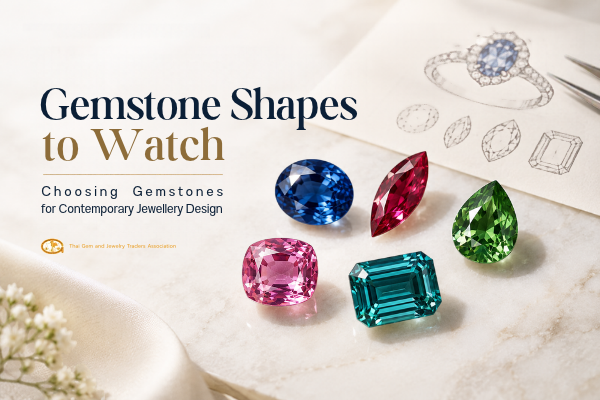
Explore Oval, Marquise, Pear and Cushion gemstone shapes, how to select them for contemporary jewellery design, and how proportions, cutting quality, rarity and market demand influence value.
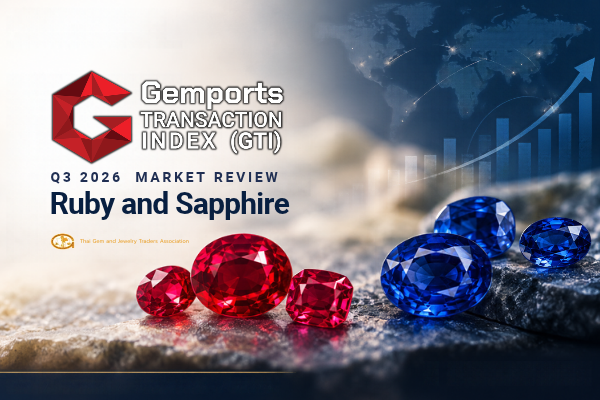
Explore GEMPORTS Q3 2026 market insights on rubies and sapphires, as GTI rises on premium gemstone transactions amid stable prices and constrained supply.
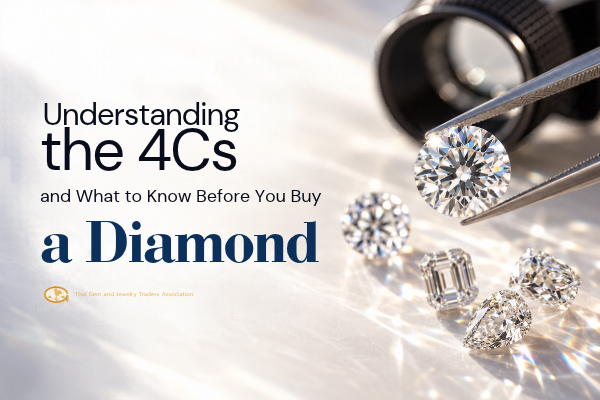
Learn how to choose a diamond with this guide to the 4Cs: Cut, Colour, Clarity and Carat Weight. Understand natural and laboratory-grown diamonds, grading reports and how to make an informed purchase.