
.png)
Buying a diamond is not only about beauty or eye-catching size. It is also an investment in a valuable gemstone with many technical details behind its quality. Buyers who understand these fundamentals can evaluate diamonds with confidence, reduce the risk of misunderstandings, and ensure that the diamond they purchase truly reflects the value they pay.
A diamond purchase is incomplete without a Diamond Report or Certificate issued by a reputable laboratory such as the Gemological Institute of America or other leading gemological institutions.
A certificate acts as an independent confirmation of the diamond’s 4Cs characteristics, providing objective and accurate information about the gemstone.
• Identity and Quality Verification – Ensures the diamond matches the specifications you paid for
• Buyer Confidence – Reduces risk during purchase and trade
• Future Reference – Essential for resale, valuation, or insurance purposes
However, even when a certificate is provided, buyers should still verify its authenticity carefully to prevent risks such as forged documents or mismatched certificates.
.jpg)
.jpg)
.jpg)
Regardless of which laboratory issued the certificate, always follow these three essential verification steps.
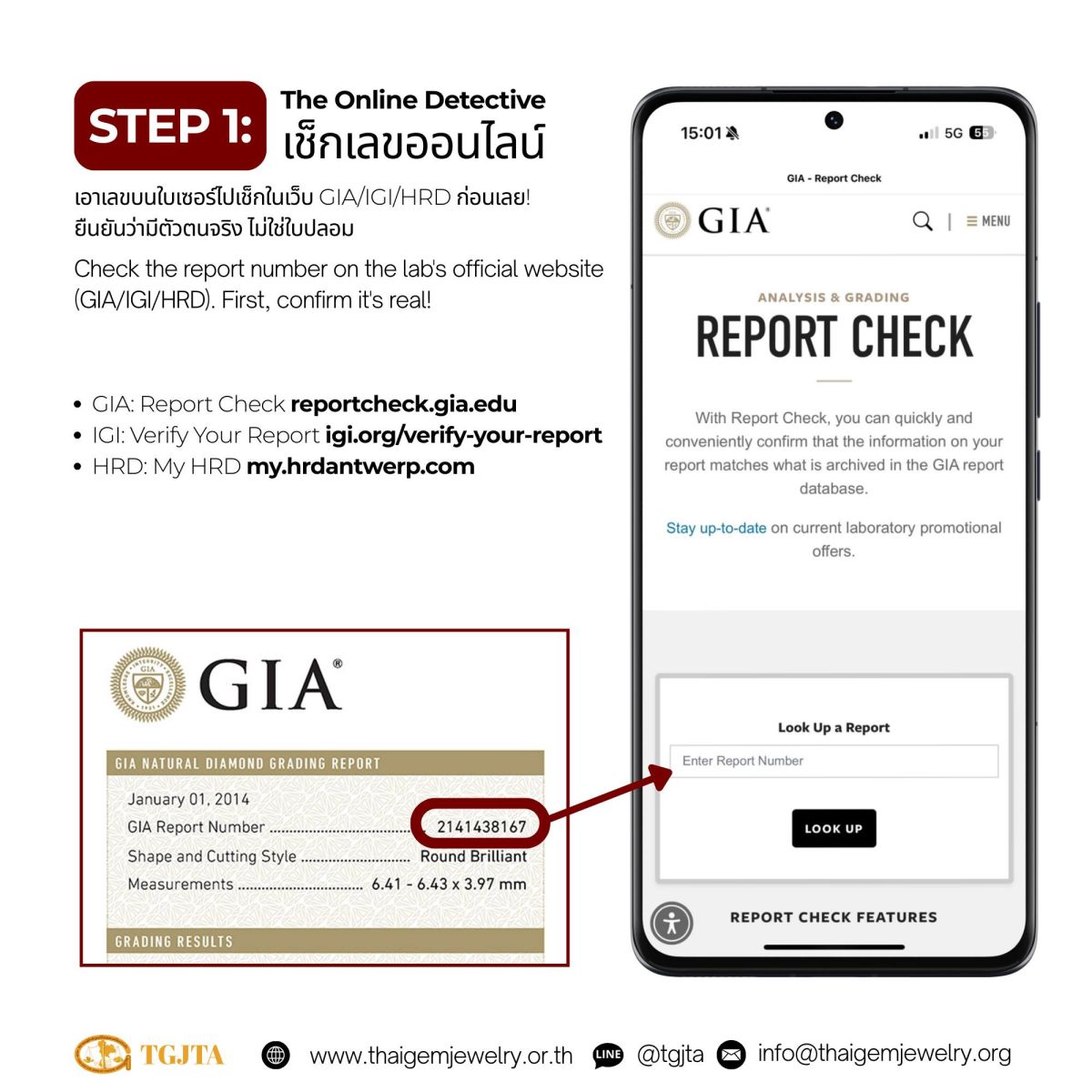
This is the first and easiest checkpoint to detect a fake certificate. Simply enter the Report Number from the certificate into the official website of the issuing laboratory to confirm that the record exists in their database.
Examples include:
• GIA Report Check: reportcheck.gia.edu
• IGI Verify Your Report: igi.org/verify-your-report
• HRD Antwerp – My HRD: my.hrdantwerp.com
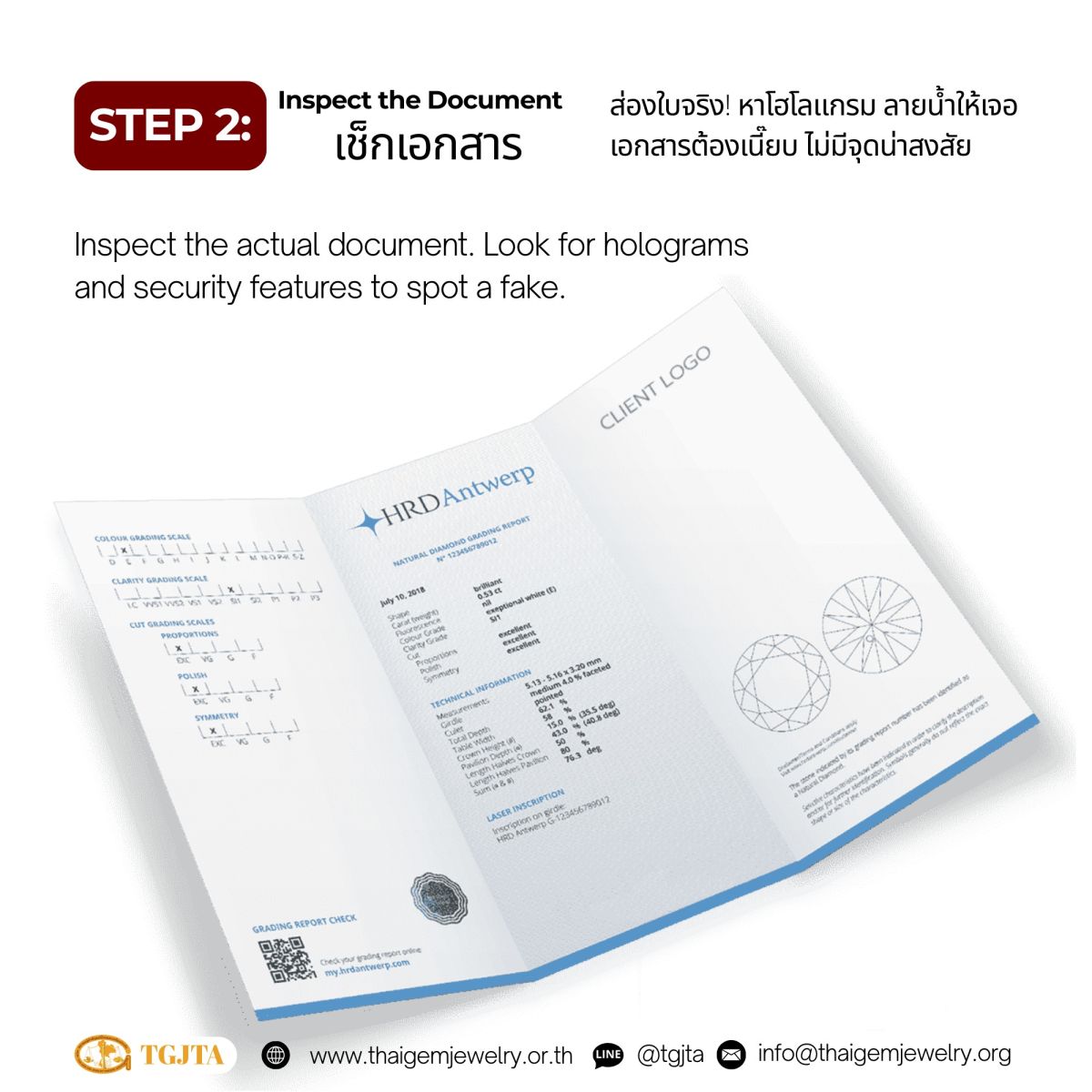
Once the online information matches, inspect the actual certificate document in your possession. This helps detect cases where a real report number has been copied onto a counterfeit document.
Look for security features that are difficult to replicate, such as:
• Hologram seals
• Security screens or anti-counterfeit patterns
• Microprinting
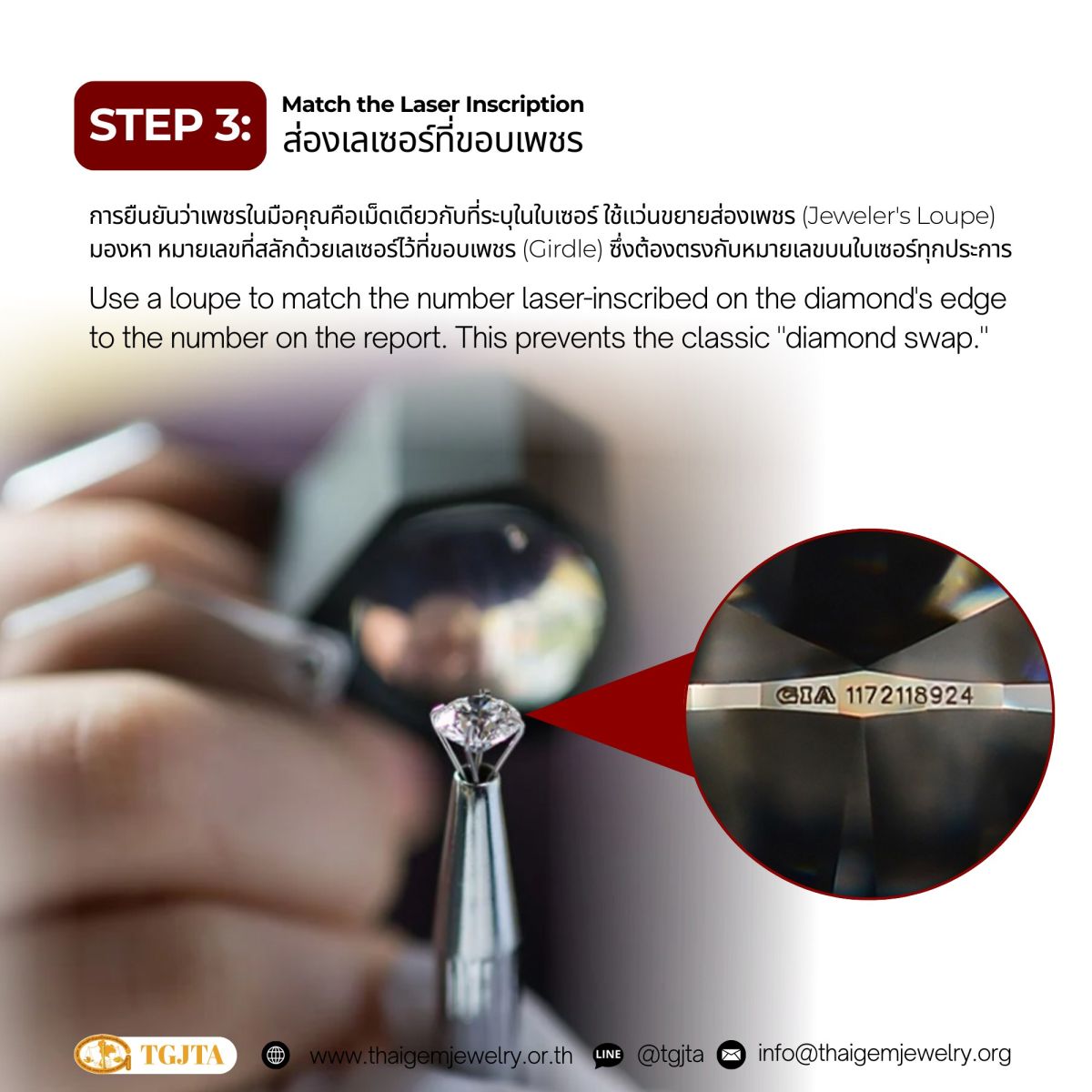
The most critical step is confirming that the diamond in your possession matches the certificate exactly.
Use a Jeweler’s Loupe to check the laser-inscribed report number engraved on the diamond’s girdle. This number must match the certificate perfectly.
This step also helps identify the type of diamond. Synthetic diamonds will usually have a laser inscription such as “LABORATORY-GROWN”, clearly distinguishing them from natural diamonds.
The global standard used to evaluate diamond quality is the 4Cs, developed by the Gemological Institute of America. These four criteria are fundamental to understanding a diamond’s value:
The key to diamond evaluation lies in the internationally recognized “4Cs” standard, together with proper verification of the diamond certification report.
Carat refers to the weight of a diamond.
1 carat = 0.2 grams.
Larger diamonds generally command higher prices, though other quality factors are equally important.
Diamond color grading measures how colorless a diamond is. The GIA scale ranges from D (completely colorless) to Z (noticeable yellow or brown tint). The more colorless the diamond, the higher its value.
Clarity evaluates internal characteristics (inclusions) and external marks (blemishes) under 10× magnification. Grades range from Flawless (no inclusions or blemishes) to Included (visible imperfections).
Cut quality has the greatest influence on a diamond’s brilliance and sparkle. A well-cut diamond reflects light effectively, creating maximum brilliance.
The GIA grading scale ranges from Excellent to Poor.
Recommendation:
Before purchasing, always request a Diamond Certificate from a reputable laboratory such as GIA or IGI. The certificate provides a complete and unbiased evaluation of the diamond’s 4Cs, serving as reliable proof of its quality.
To ensure the credibility of the 4Cs evaluation, a diamond certificate is therefore an essential document that buyers should never overlook.
A confident diamond purchase begins with understanding the 4Cs standard and recognizing the importance of certification from reputable gemological laboratories.
By carefully verifying online records, physical documents, and laser inscriptions on the diamond, buyers can protect themselves from potential fraud.
With the right knowledge and proper verification steps, buying a diamond becomes more than simply choosing a beautiful gemstone—it becomes a smart, transparent, and secure investment for the long term.
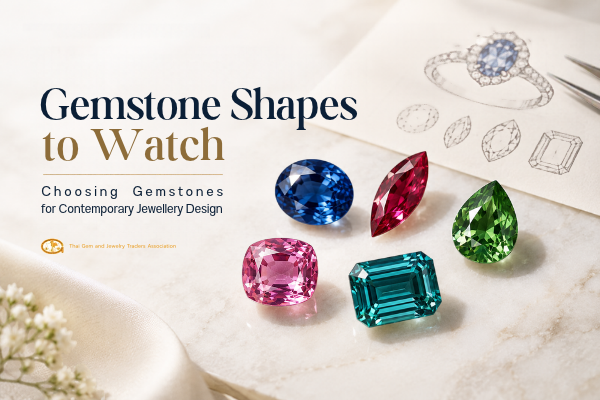
Explore Oval, Marquise, Pear and Cushion gemstone shapes, how to select them for contemporary jewellery design, and how proportions, cutting quality, rarity and market demand influence value.
Explore GEMPORTS Q3 2026 market insights on rubies and sapphires, as GTI rises on premium gemstone transactions amid stable prices and constrained supply.
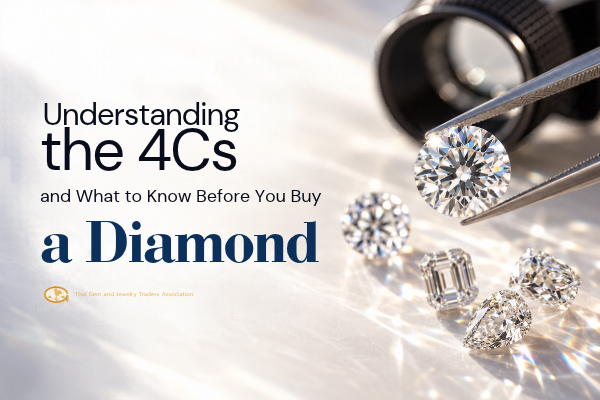
Learn how to choose a diamond with this guide to the 4Cs: Cut, Colour, Clarity and Carat Weight. Understand natural and laboratory-grown diamonds, grading reports and how to make an informed purchase.