
.png)
By the Thai Gem and Jewelry Traders Association (TGJTA)
As consumers and jewelry lovers, understanding the different types of gold is crucial for making confident purchases and investments. This guide by the Thai Gem and Jewelry Traders Association will take a deep dive into "Karat Gold" and "Fake Gold," offering essential tips on how to distinguish between them with the naked eye to prevent purchasing substandard products.
Many people hear the term "Karat Gold" and wonder if it is authentic. We would like to clarify that Karat Gold is indeed real gold. It is gold that has been mixed with other metals—such as silver, copper, palladium, or nickel—in specific proportions. This is done for two main purposes:
To Increase Durability: Pure gold (99.99% or 24K) is very soft and malleable. It is not suitable for jewelry that requires high durability, especially pieces set with gemstones. Alloying it with other metals strengthens the structure, allowing it to hold gems securely and withstand daily wear.
To Adjust Color: Mixing different metals creates various gold colors. For example, Pink Gold comes from mixing copper, while White Gold comes from mixing white metals like palladium.
The unit used to measure purity is the "Karat" (K), which differs from "Carat" (used for gemstone weight). International standards divide gold purity into 24 parts:
24K: 99.99% Pure Gold.
18K: 75.0% Real Gold (18/24). This is the international standard for high-end jewelry.
14K: 58.5% Real Gold.
9K / 10K: 37.5% / 41.7% Real Gold.
Note on Thai Standards: In Thailand, the standard for gold ornaments is 96.5%, which is approximately 23.16K.
Conclusion: Karat Gold is not fake; it is real gold alloyed for specific functionality and aesthetics.
Fake Gold refers to metals that do not contain gold as the main component, or contain it in negligible amounts, processed to look like real gold. Common types include:
Gold Plated: Cheap metals (like brass or iron) coated with a very thin layer of gold. It is inexpensive, but the coating will eventually peel off.
Micron Gold / Cloning Gold: Commercial terms for high-quality plating that looks very realistic, but the core remains a base metal.
Colored Metal: Base metals that are simply colored or polished to resemble gold.
Even though technology has made fake gold look more realistic, there are still tell-tale signs you can spot.
Standard Karat Gold jewelry must be stamped to indicate purity and often the manufacturer's mark. These stamps are small, often requiring a magnifying glass/loupe, but they should be sharp.
Purity Numbers: Look for codes like 18K, 750 (75%), 14K, 585 (58.5%), or 965 (96.5% for Thai gold).
Logo: Reputable manufacturers usually stamp their own logo.
Sharpness: Fake gold often lacks stamps, or if present, they are shallow, blurry, or indistinct because base metals are harder to stamp than soft gold.
While difficult for beginners, the specific hue of gold is an indicator.
Real Karat Gold: Each Karat has a specific hue. Thai 96.5% gold is a deep, rich yellow. 18K is a softer, paler yellow. The color should be uniform throughout the piece.
Fake Gold: Plated gold often has an unnatural, "too shiny" or "too yellow" finish. It may look brassy compared to the soft glow of real gold.
This is the most critical checkpoint.
Real Karat Gold: Since it is the same metal through and through, it will never peel. It may get scratched or dull over time, but the color underneath remains gold.
Fake/Plated Gold: Check areas that rub against skin or clothes, such as clasps, ring edges, or necklace links. You will often see peeling or flaking, revealing a different inner metal color (like silver, black, or red/brass).
If you have a piece of real gold of similar size to compare, hold them in your hand. Real gold is very dense. A fake piece of the same size will often feel noticeably lighter.
| Feature | Real Karat Gold | Fake / Plated Gold |
| Structure | Solid gold alloy throughout | Base metal core coated with gold |
| Wear & Tear | Scratches or dulls, but color stays gold | Peels, flakes, revealing different metal color |
| Hallmark | Sharp, clear stamps (e.g., 750, 18K) | Often missing, blurry, or shallow |
| Weight | Heavy / Dense | Feels lighter |
While these visual checks are helpful for initial screening, high-grade fakes can be tricky. The best way to ensure authenticity is to purchase from reputable shops that are members of the Thai Gem and Jewelry Traders Association. This guarantees that you are receiving products that meet strict quality standards.
The Association hopes this guide empowers you to choose your jewelry wisely and with confidence.
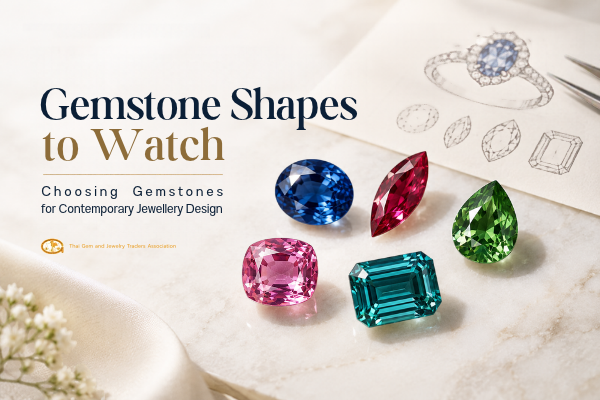
Explore Oval, Marquise, Pear and Cushion gemstone shapes, how to select them for contemporary jewellery design, and how proportions, cutting quality, rarity and market demand influence value.
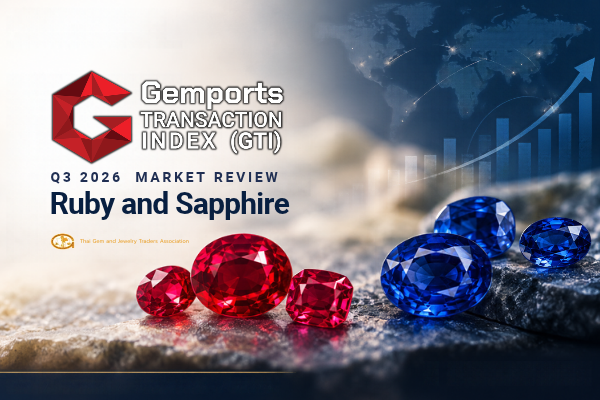
Explore GEMPORTS Q3 2026 market insights on rubies and sapphires, as GTI rises on premium gemstone transactions amid stable prices and constrained supply.
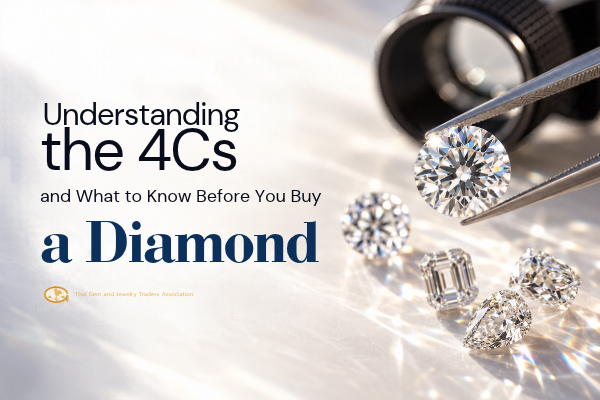
Learn how to choose a diamond with this guide to the 4Cs: Cut, Colour, Clarity and Carat Weight. Understand natural and laboratory-grown diamonds, grading reports and how to make an informed purchase.