
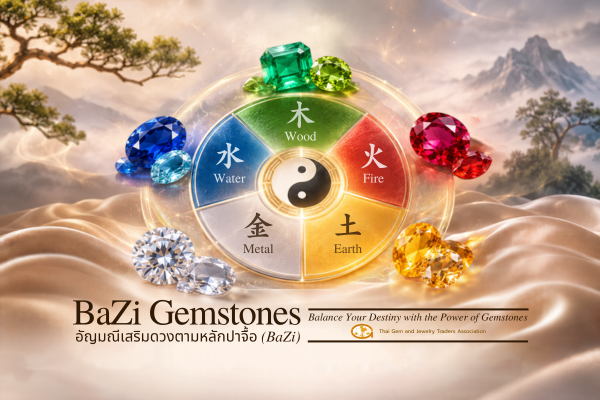
Throughout history, gemstones have been valued not only for their natural beauty, distinctive colours and rarity, but also for the symbolic meanings attributed to them across different cultures and traditions.
One traditional system that connects the natural world with human life is BaZi (八字), also known as the Four Pillars of Destiny. This Chinese metaphysical system analyses a person's birth year, month, day and time through the principles of Yin and Yang and the Five Elements: Wood, Fire, Earth, Metal and Water.
These principles can also be applied to gemstone and jewellery selection. In traditional beliefs, gemstone colours are associated with different elements and their symbolic characteristics. Choosing gemstones based on these associations is considered a way to express particular qualities, aspirations and personal preferences.
Selecting gemstones according to BaZi is therefore more than simply choosing a birthstone or a favourite colour. It brings together traditional Chinese philosophy, cultural symbolism and the natural beauty of gemstones.
BaZi, meaning "Eight Characters", is a traditional Chinese system of destiny analysis based on four pillars: the Year, Month, Day and Hour of birth. Each pillar consists of a Heavenly Stem and an Earthly Branch, forming a total of eight characters.
The system is based on the principles of Yin and Yang and the Five Elements, known in Chinese as Wu Xing. These concepts are fundamental to traditional Chinese philosophy and describe the relationships and cycles of transformation found in nature.
An important aspect of BaZi is the Day Master, which represents the individual and is determined by the Heavenly Stem of the birth day. It serves as the starting point for analysing the relationships between the Five Elements within a person's birth chart.
Consequently, people born in the same year may have different elemental compositions and interpretations of their BaZi charts. Gemstone selection based on BaZi should therefore consider the overall birth chart rather than relying solely on the year of birth.
In BaZi, each of the Five Elements is associated with particular colours, directions, seasons and natural characteristics. These colour associations can be applied to gemstone selection by matching gemstones with similar colours.
The following examples illustrate how gemstones may be associated with each element. These are interpretations based on traditional colour symbolism rather than fixed classifications of gemstone species.
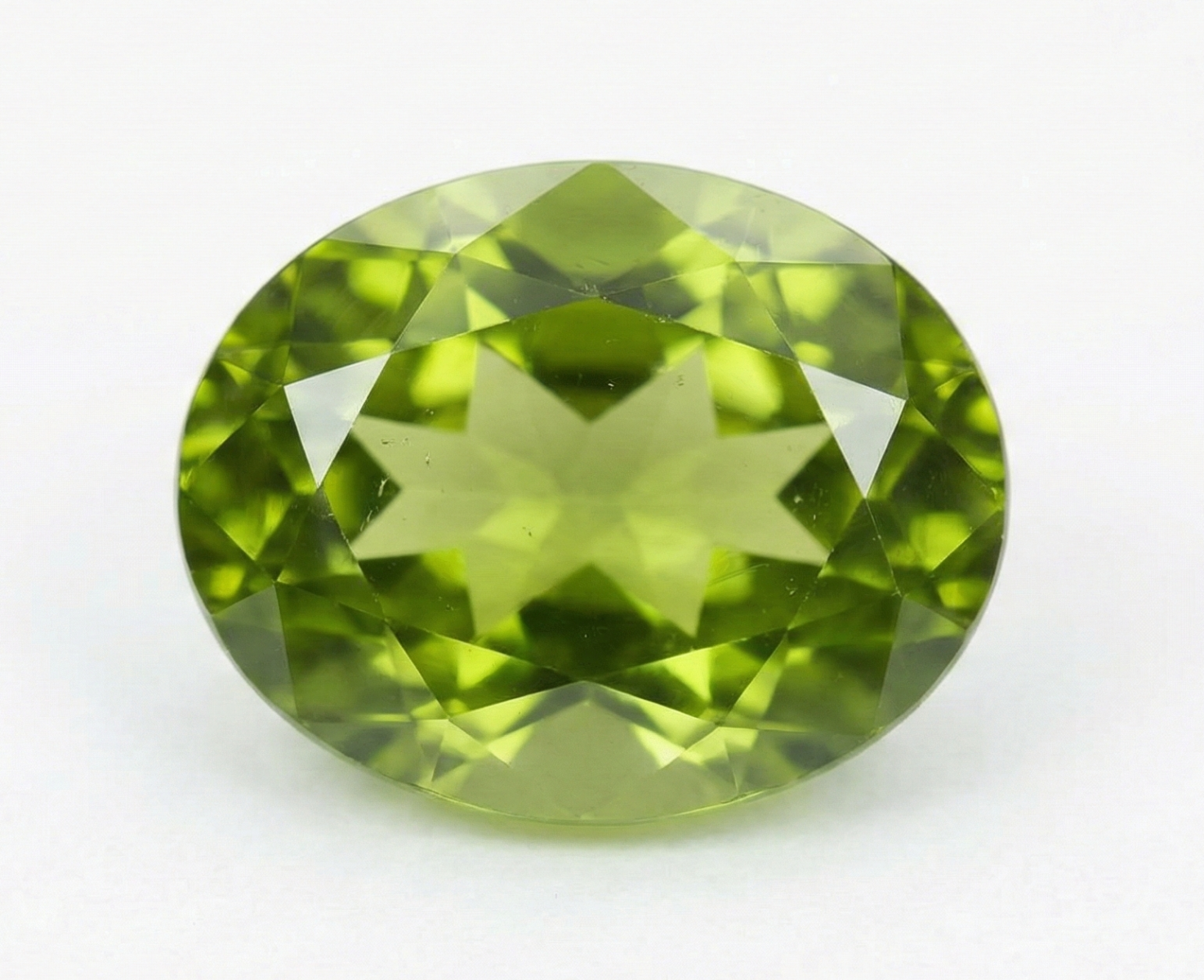
Associated colours: Green and blue-green
Related gemstones: Emerald, Peridot, Green Tourmaline and Jade.
Wood symbolises growth, development, creativity and expansion. It represents the natural process of growth, much like a tree developing from a small seed into a mature plant. In traditional symbolism, this element is associated with learning, new beginnings and personal development.
Green gemstones are therefore commonly associated with the Wood element. They may appeal to individuals who wish to express aspirations for professional growth, personal development and new opportunities.
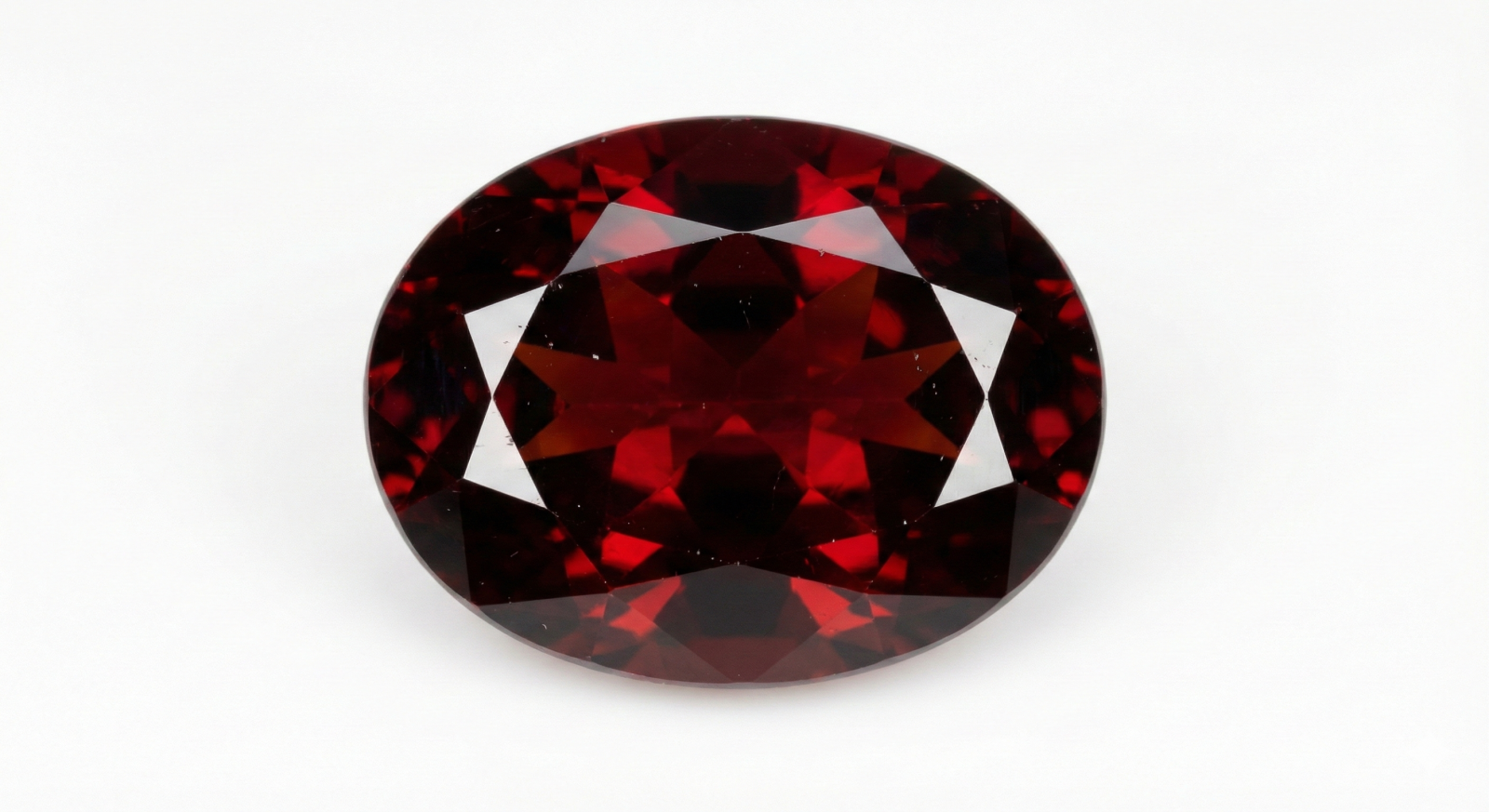
Associated colours: Red and warm tones
Related gemstones: Ruby, Red Spinel, Garnet and Carnelian.
Fire represents energy, enthusiasm, courage and self-expression. Like light that brings warmth and attracts attention, this element symbolises vitality, visibility and determination.
Red gemstones are traditionally associated with confidence, ambition, leadership and recognition. They are often chosen by individuals who wish to express a strong personality, a confident presence and a willingness to embrace challenges.
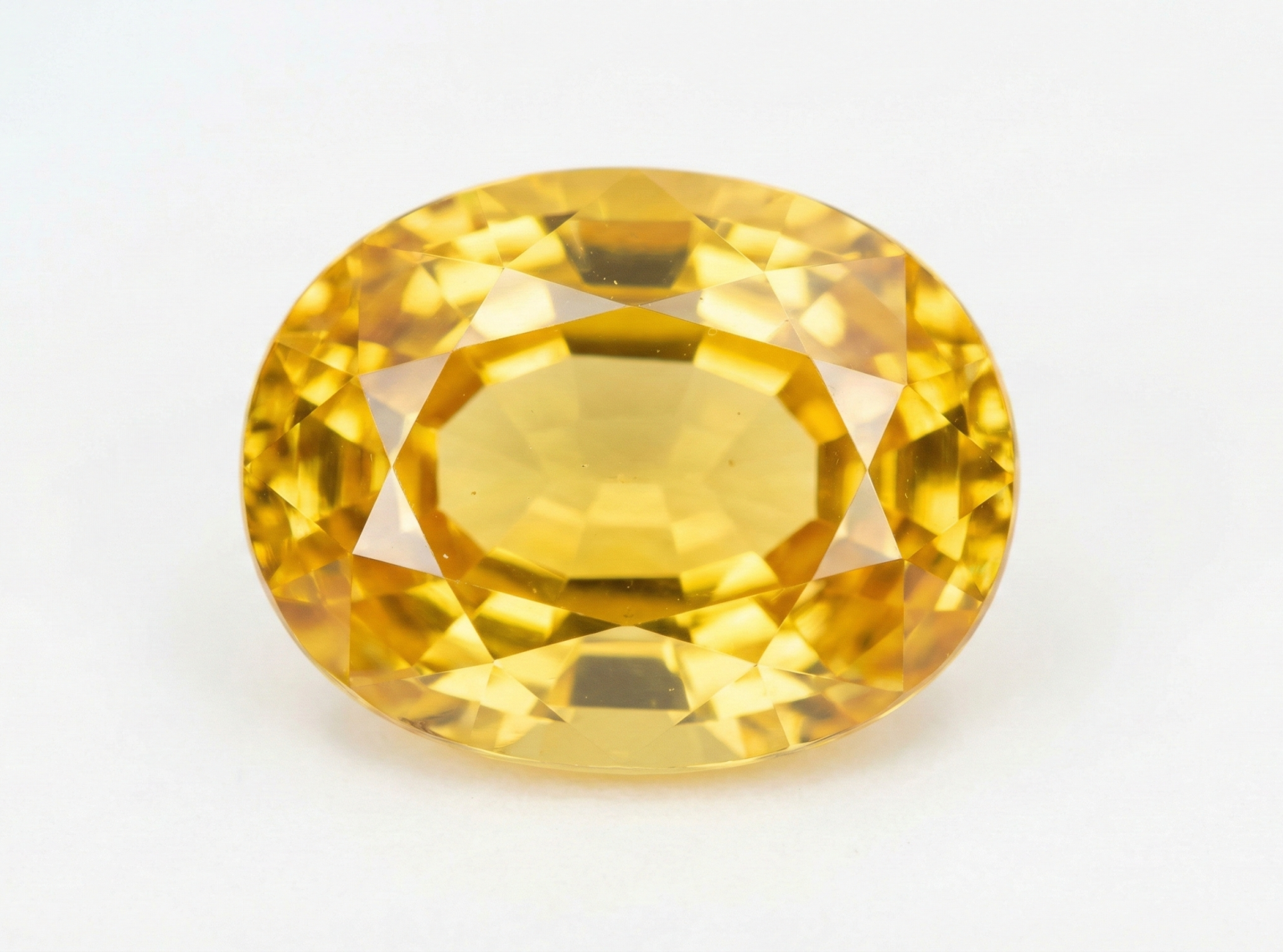
Associated colours: Yellow, brown and earth tones
Related gemstones: Yellow Sapphire, Citrine, Amber and Smoky Quartz.
Earth represents stability, patience, responsibility and the establishment of strong foundations. It symbolises the ground that supports growth and provides a foundation for life.
Yellow and brown gemstones are often associated with prosperity, financial stability, reliability and balance. They may be particularly appealing to individuals who wish to express stability in business, sound management and long-term success.
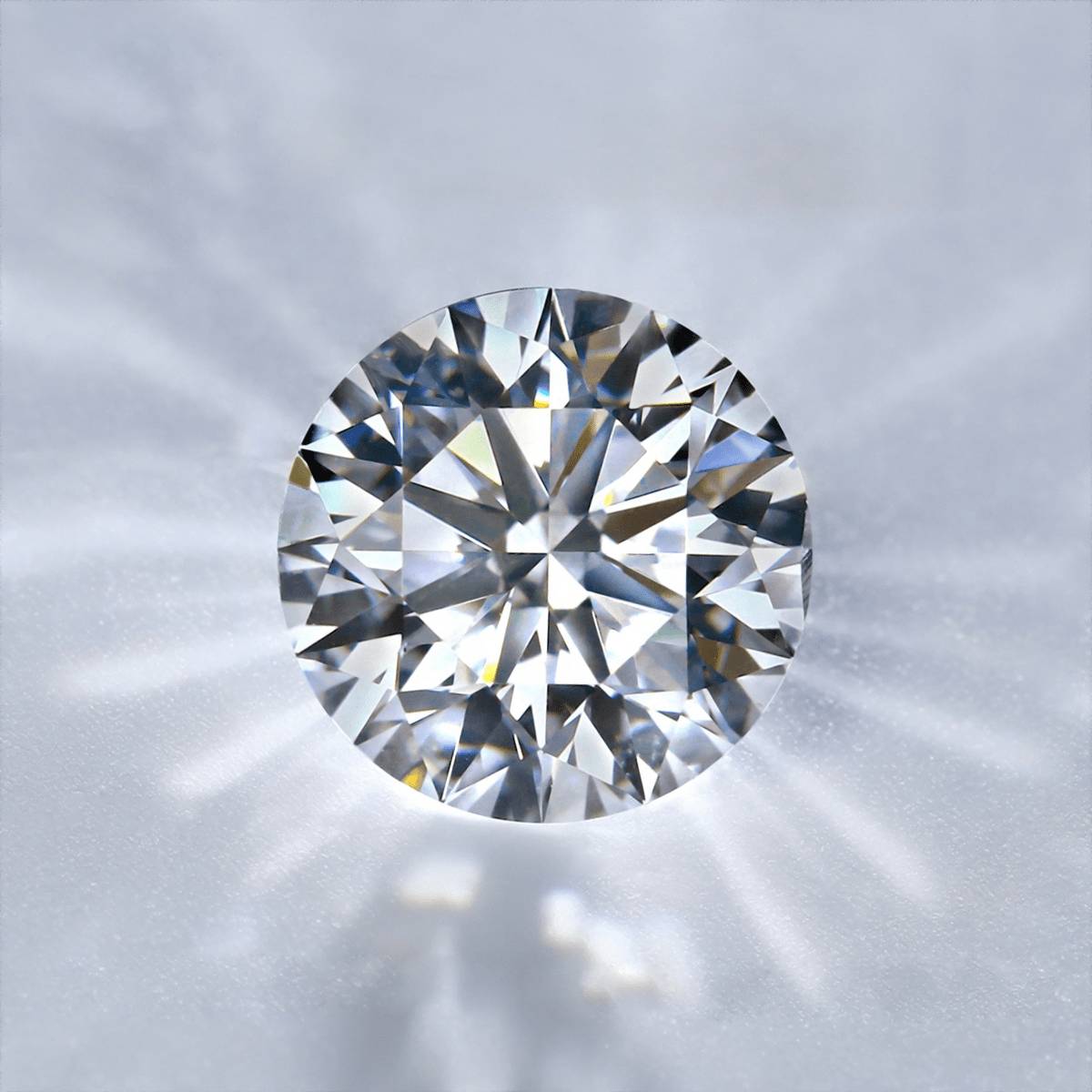
Associated colours: White, silver and metallic tones
Related gemstones: Diamond, White Sapphire, Colourless Topaz and Rock Crystal.
Metal symbolises discipline, determination, clarity and organisation. It represents strength and structure, reflecting the qualities of metal as a material that can be shaped into useful tools.
White and colourless gemstones are therefore commonly associated with purity, clarity and confidence in decision-making. They may appeal to individuals who wish to express professionalism, credibility and strong management capabilities.
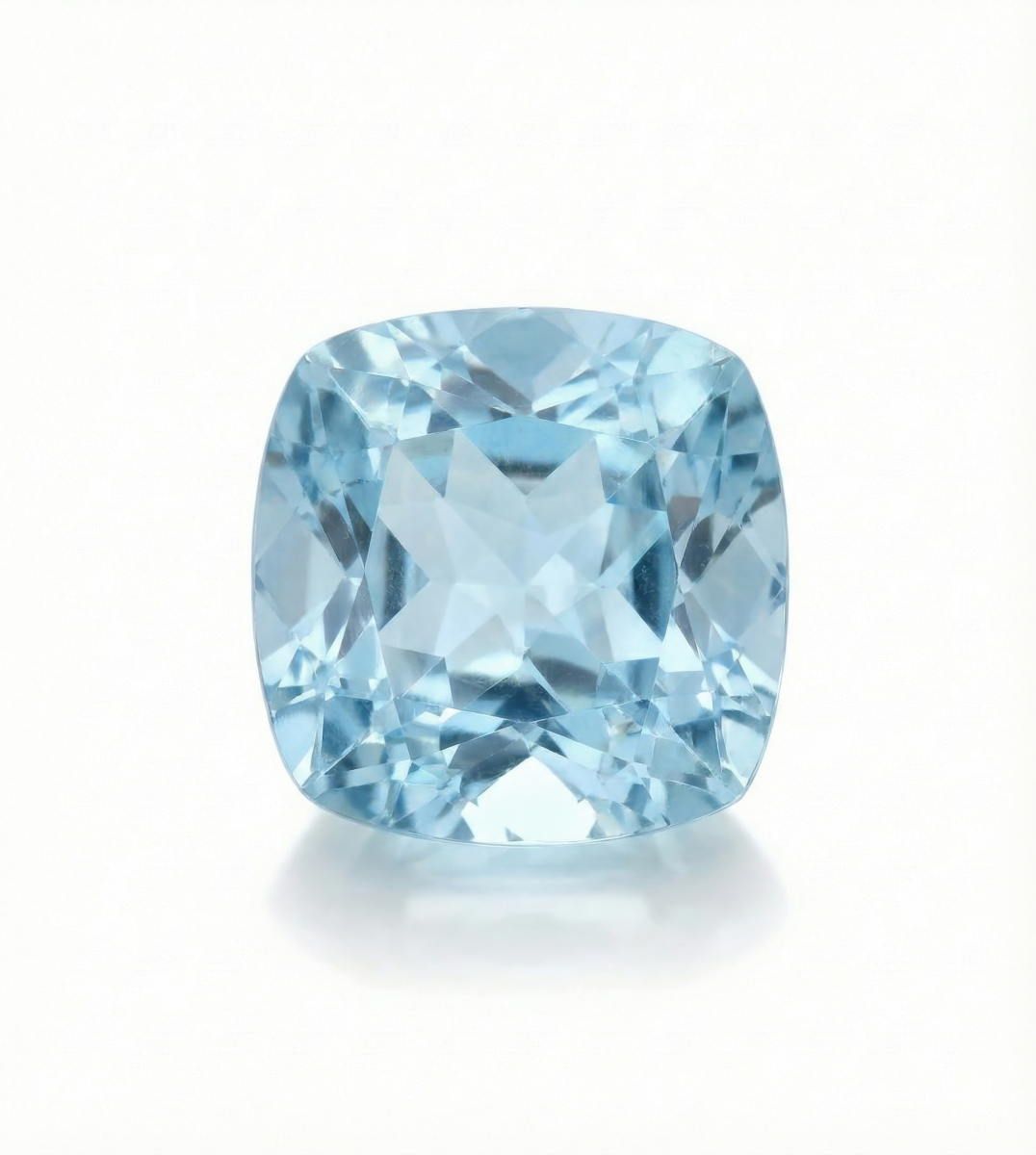
Associated colours: Black, dark blue and light blue
Related gemstones: Blue Sapphire, Aquamarine, Lapis Lazuli and Black Tourmaline.
Water represents wisdom, thought, communication, flexibility and adaptability. Like flowing water that moves around obstacles and changes direction according to its surroundings, this element symbolises the ability to respond to changing circumstances.
Blue, light blue and black gemstones are traditionally associated with calmness, thoughtful decision-making and communication. They may appeal to individuals who wish to express strategic thinking, negotiation skills, networking abilities and an openness to new opportunities.
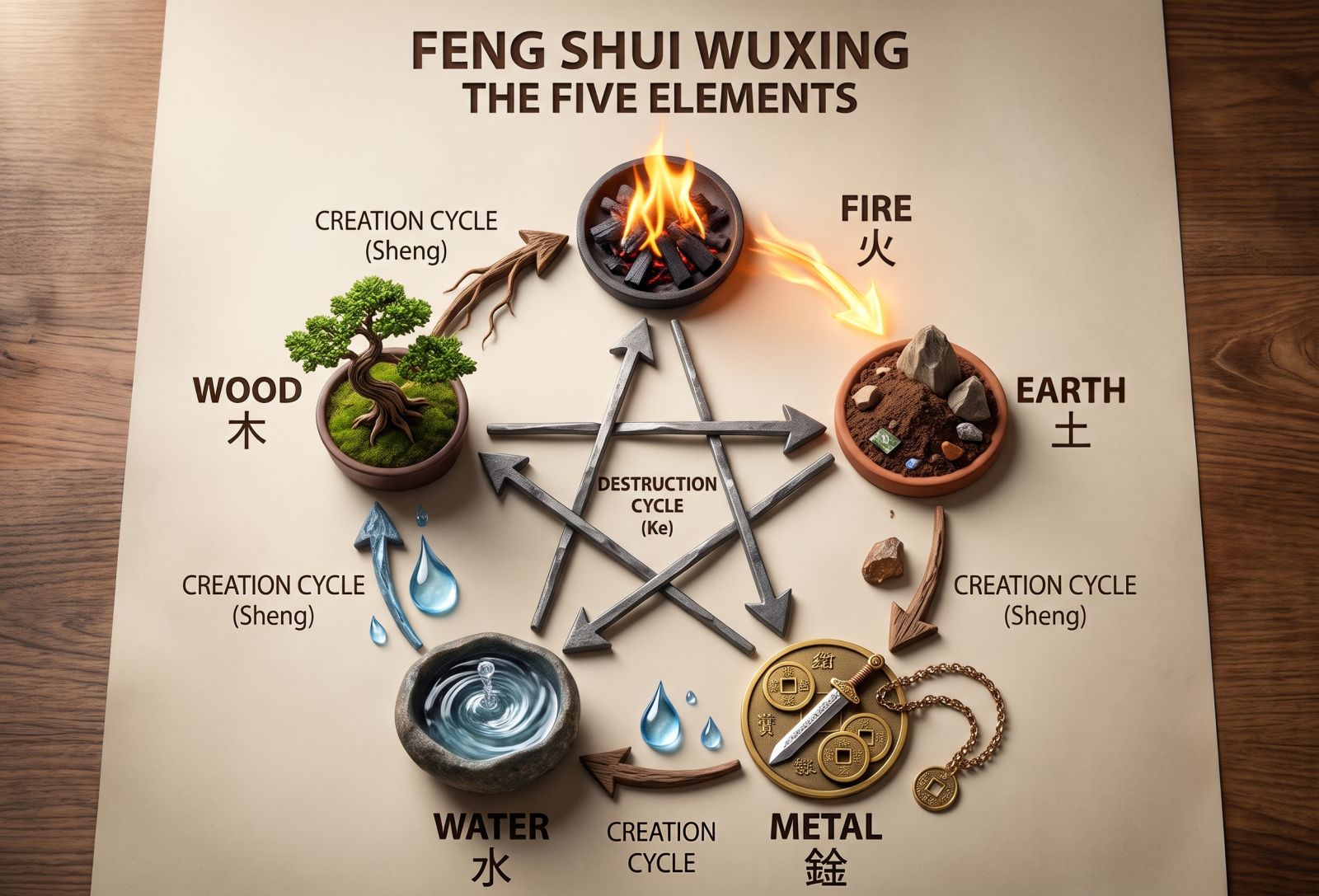
A fundamental principle of BaZi is not simply to increase the presence of one particular element, but to understand how all five elements interact through two important cycles: the Generating Cycle and the Controlling Cycle.
The Generating Cycle describes how one element supports or gives rise to another, following this sequence:
Wood generates Fire: Wood provides fuel for fire.
Fire generates Earth: Fire produces ash, which returns to the earth.
Earth generates Metal: Mineral resources are formed and accumulated within the earth.
Metal generates Water: In traditional symbolic explanations, metal is associated with the formation or condensation of water.
Water generates Wood: Water nourishes plants and supports their growth.
The Controlling Cycle describes how one element regulates or restrains another, helping maintain balance within the system.
Wood controls Earth: Tree roots penetrate and hold the soil.
Earth controls Water: Earth can contain water or alter its flow.
Water controls Fire: Water can extinguish fire.
Fire controls Metal: Heat from fire can melt metal.
Metal controls Wood: Metal tools can cut wood.
These relationships illustrate an important principle of Wu Xing: the Five Elements do not function independently. They interact through cycles of support and control. Therefore, BaZi interpretation requires an understanding of the overall relationships between the elements rather than simply identifying which element is present in greater or lesser quantities.
Although gemstone colours can be associated with the Five Elements, selecting a gemstone according to BaZi does not necessarily mean choosing the colour of an element that appears less frequently in a birth chart.
A BaZi analysis considers several factors, including:
1. Day Master
The Day Master represents the individual in the birth chart. It is determined by the Heavenly Stem of the birth day and belongs to one of the five elements: Wood, Fire, Earth, Metal or Water, each expressed in either Yin or Yang form.
2. Strength of the Day Master
This involves assessing whether the Day Master is considered strong or weak in relation to the other elements in the chart. Factors such as the season of birth and the relationships between the elements are taken into account.
3. Balance of the Five Elements
The analysis examines the relative influence of each element and how they interact through the Generating and Controlling Cycles.
4. Useful God (Yong Shen)
Yong Shen is an important concept in BaZi interpretation. It refers to the element considered beneficial in helping regulate or balance the overall birth chart. Identifying it requires an assessment of the complete chart and cannot be determined from the year of birth alone.
For this reason, individuals born under the same Chinese zodiac sign may have different gemstone recommendations. Their birth dates, times and overall elemental compositions may vary considerably.
The appeal of applying BaZi to gemstone selection extends beyond choosing a particular gemstone colour. It also creates opportunities for personalised jewellery design that reflects an individual's beliefs, preferences and identity.
Some practical applications include:
Jewellery for professional settings: Selecting gemstone colours that symbolise credibility, confidence and leadership.
Jewellery for business: Choosing gemstones that represent stability, negotiation and commercial opportunities.
Everyday jewellery: Selecting gemstones and designs that complement personal style, preferences and lifestyle.
Personalised jewellery: Combining gemstones of different colours to express individual beliefs, aspirations and symbolic meanings.
The combination of different gemstone colours also gives jewellery designers greater creative flexibility. Through gemstone arrangement, colour combinations, precious metal selection and distinctive designs, they can create pieces with individual stories and personal significance.
This concept can also be developed into personalised jewellery collections, appealing to consumers who value the meaning, individuality and stories behind the pieces they wear.
BaZi-inspired gemstone selection demonstrates how traditional Chinese beliefs can be combined with the beauty of gemstones. Through the symbolic relationship between colours and the Five Elements, gemstones can represent personal values, aspirations and meanings that are important to their wearers.
However, the associations between gemstone colours and the Five Elements are based on traditional cultural interpretations. They are not gemmological standards, and there is currently no scientific evidence that gemstones can alter destiny, guarantee good fortune or ensure success in business and financial matters.
When purchasing gemstones, consumers should therefore consider not only their symbolic meanings and personal preferences, but also the gemstones' quality, any treatments or enhancements, and their suitability for the intended jewellery design and use.
Ultimately, the value of a gemstone extends beyond the beliefs associated with its colour. Its natural beauty, distinctive characteristics, cutting quality and the personal significance attached to it all contribute to what makes each gemstone unique.
Explore ethical practices in the gem and jewellery industry, including accurate product disclosure, consumer protection laws in Thailand and international standards from FTC, CIBJO and RJC.
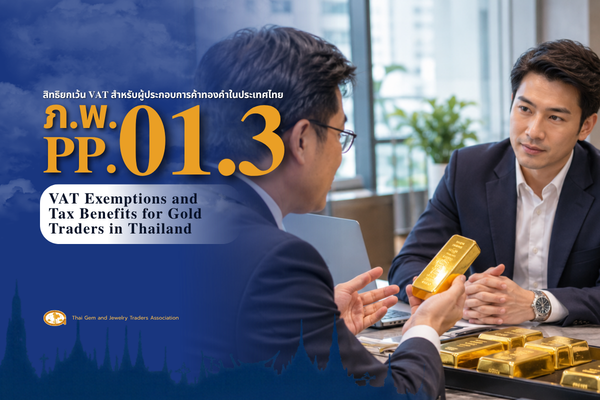
Learn about Thailand's PP.01.3 and PP.01.5 forms, VAT exemptions for gold, precious metals and gemstones, eligibility requirements, supporting documents and tax benefits available to TGJTA members.
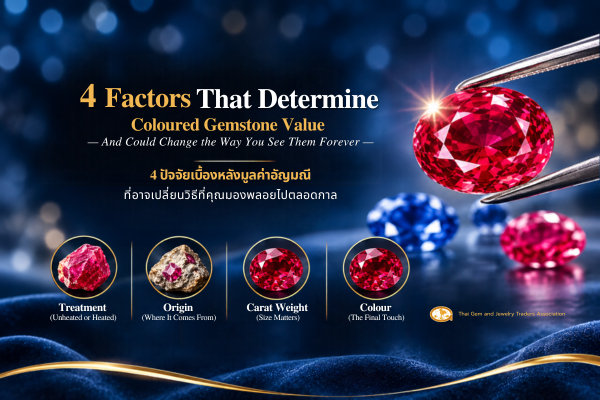
Discover the 4 key factors influencing ruby and sapphire values: treatment, origin, carat weight and colour, with Q3 2026 Gemports reference prices.