.png)
In the global gemstone and jewelry trade, success is measured by more than just product quality; it is a reflection of an entrepreneur’s "Systemic Readiness." Navigating complex Customs Tariffs (HS Codes), meticulous documentation, and increasingly stringent international standards is essential—especially when entering major markets like the USA and Europe.
Entrepreneurs who master these regulations, manage documentation accurately, and pivot toward sustainability and transparency will gain a significant competitive edge, mitigate risks, and build lasting trust with international partners.
The Harmonized System (HS) Code is the heartbeat of cross-border commerce. Correct classification is mandatory for accurate tax calculation and leveraging trade benefits.
Chapter 71: Most jewelry products fall under this category, covering pearls, diamonds, precious stones, precious metals (gold, silver, platinum), and both fine and costume jewelry.
Why it Matters: The correct code determines the actual import/export duty rates and is a prerequisite for applying for Free Trade Agreement (FTA) privileges to reduce costs for your buyers.
Pro-Tip: Misclassification can lead to incorrect tax payments, seized shipments, or retroactive fines. Always consult with experts or specialized shipping agents to ensure 100% accuracy.
Seamless documentation is the hallmark of a professional exporter. It prevents delays and ensures your goods clear customs without friction.
Commercial Invoice: Detailing product descriptions, pricing, and terms of sale (Incoterms).
Packing List: Specifying weight, dimensions, and packaging details.
Bill of Lading / Air Waybill: Serving as the contract of carriage and document of title.
Export Declaration: The formal statement to Customs, processed via the e-Customs system.
Certificate of Origin (C/O): A vital document issued by the Department of Foreign Trade, allowing buyers to claim tax exemptions or reductions under FTAs.
Certificate of Quality/Authenticity: For gemstones, global markets demand certification from reputable institutes (e.g., GIA) to verify the quality and origin of the stones.
Today’s global market—led by the US and EU—demands high levels of transparency and ethical sourcing. Thai entrepreneurs must elevate their business standards to meet these expectations:
Traceability & Responsible Sourcing: Buyers require assurance that raw materials (especially diamonds and precious metals) are not "Conflict Minerals."
Kimberley Process (KP): A mandatory standard for rough diamond traders. You must possess a Kimberley Process Certification Scheme (KPCS) certificate to operate legally.
AML/KYC Compliance: Due to the high value of the industry, Anti-Money Laundering (AML) and Know Your Customer (KYC) protocols are strictly enforced. Entrepreneurs must implement rigorous vetting processes for all business partners.
Conquering the global market requires a fusion of Thai craftsmanship and operational precision. From identifying the correct HS Code to adhering to global transparency standards, every step counts.
By preparing thoroughly, you reduce risks, optimize costs, and unlock trade privileges. In an era where competition is defined by more than just price, your professionalism in every dimension is what will build sustainable trust on the world stage.
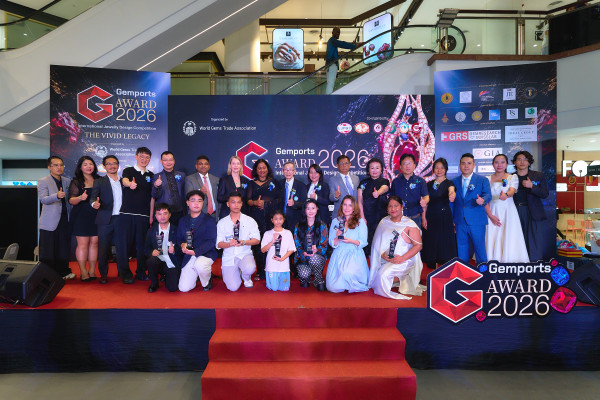
Gemports Award 2026 – The Vivid Legacy brings together creative talents from around the world and marks the official launch of the World Gems Trade Association (WGT), highlighting Thailand’s role in fostering global collaboration across the gem and jewelr
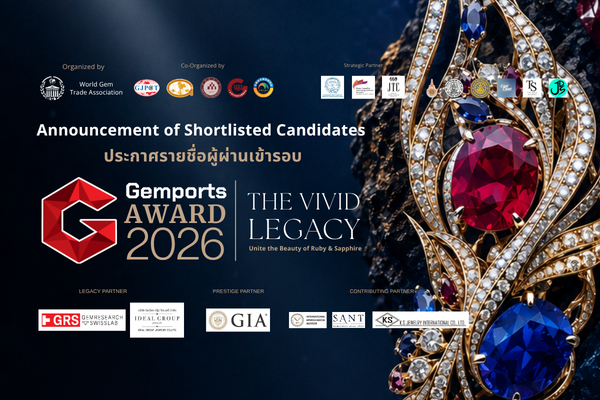
Thai Gem and Jewelry Traders Association (TGJTA) is pleased to congratulate all participants who have been selected to advance to the next stage of the Gemports Award 2026 Jewelry Design Competition.